
Furnace Not Turning On? Safe Checks Before Calling an HVAC Technician
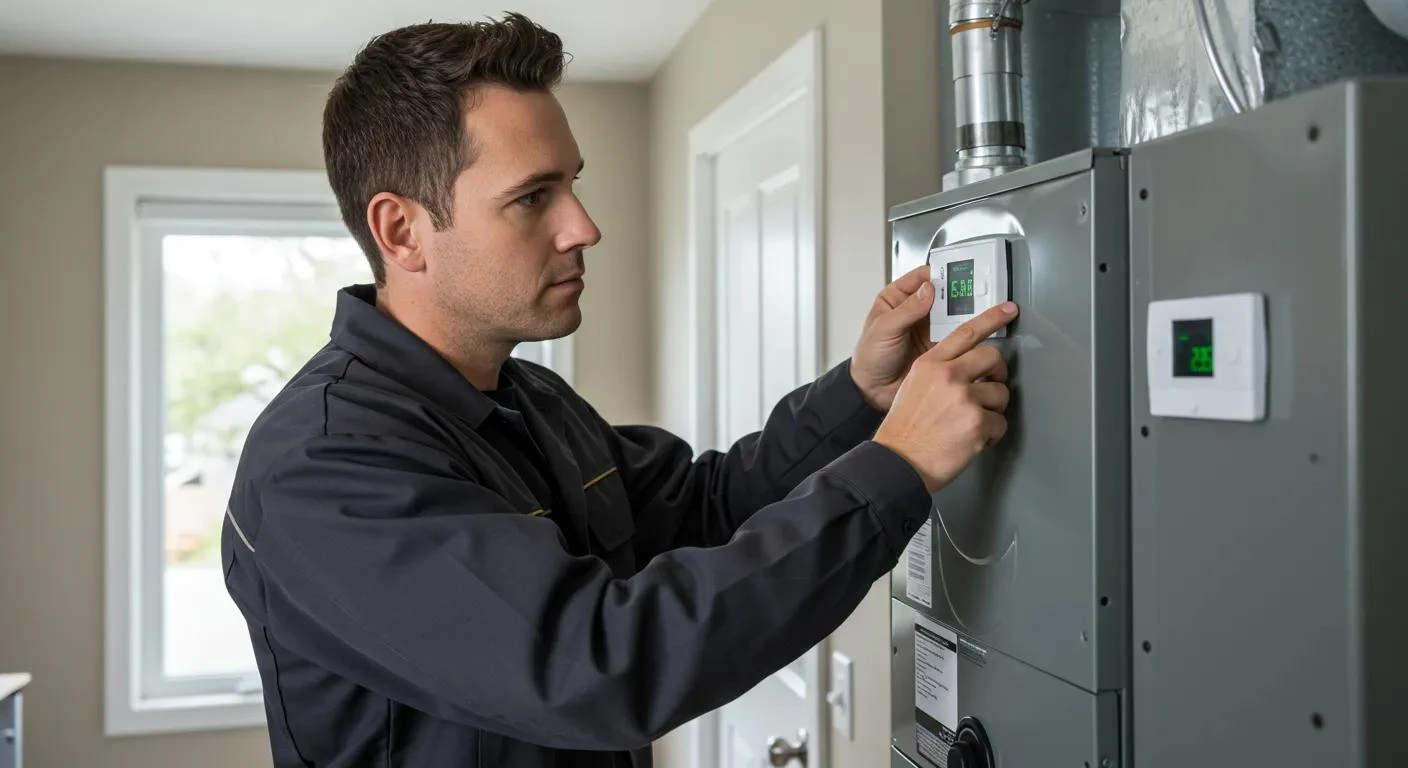
When your furnace is not turning on, the problem may be something simple, such as an incorrect thermostat setting, dead thermostat batteries, a tripped circuit breaker, or a dirty air filter. Before calling an HVAC technician, you can perform several basic checks to identify common problems and determine whether your heating system needs professional attention.
However, not every furnace problem is safe to troubleshoot yourself. Issues involving gas leaks, electrical components, ignition systems, or internal furnace parts should be handled by a qualified HVAC professional.
If your furnace has stopped working, follow these homeowner-safe troubleshooting steps before arranging a repair.
1. Check Your Thermostat Settings
A thermostat is one of the first things to check when your furnace will not turn on. If it is incorrectly configured, it may not send the heating signal your furnace needs to start.
Start with these checks:
- Check the operating mode: Make sure the thermostat is set to Heat rather than Cool or Off.
- Adjust the temperature: Set the desired temperature a few degrees above the current room temperature.
- Check the fan setting: Select Auto rather than On if you want the fan to operate according to the heating cycle.
- Inspect the display: Look for a blank screen, low-battery warning, or other error message.
- Replace the batteries: If your thermostat uses replaceable batteries, install fresh ones according to its instructions.
After adjusting the settings, allow a few minutes for the system to respond. Some thermostats have built-in delays that prevent the equipment from starting immediately.
If the thermostat is calling for heat but the furnace still does not respond, the problem may involve the thermostat wiring, control system, or another furnace component. These issues require professional diagnosis.
2. Inspect the Furnace Power Switch
Many homeowners do not realize that furnaces have a dedicated electrical service switch.
This switch often looks like an ordinary wall light switch and is usually located near the furnace or on an adjacent wall. It may have been accidentally switched off during cleaning, maintenance, or other household activities.
Check whether the switch is in the On position.
If it is already on, do not remove furnace panels or investigate internal electrical connections. The problem may involve the electrical supply or an internal component.
Only operate an accessible external switch when there are no signs of a gas leak, smoke, burning, or other electrical hazard.
3. Check the Circuit Breaker
A tripped circuit breaker can interrupt the electrical supply to your furnace, preventing it from starting.
Even gas furnaces depend on electricity to operate components such as the blower motor, electronic ignition, and control board.
To perform a basic check:
- Locate your home’s electrical panel.
- Identify the breaker labeled Furnace, HVAC, or Heating.
- Look for a breaker that appears to be in the middle position or switched to Off.
- If the panel is dry, safely accessible, and there are no signs of electrical damage, follow the panel manufacturer’s instructions to reset the correctly identified breaker once.
If the breaker trips again, stop troubleshooting and contact an HVAC technician or qualified electrician.
Repeatedly resetting a breaker can expose an underlying electrical problem and create a safety hazard. Never open the electrical panel or attempt to repair its wiring yourself.
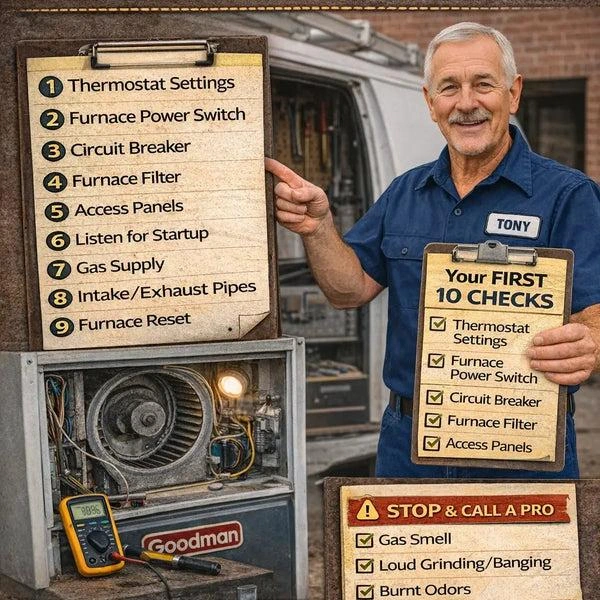
4. Inspect and Replace a Dirty Furnace Air Filter
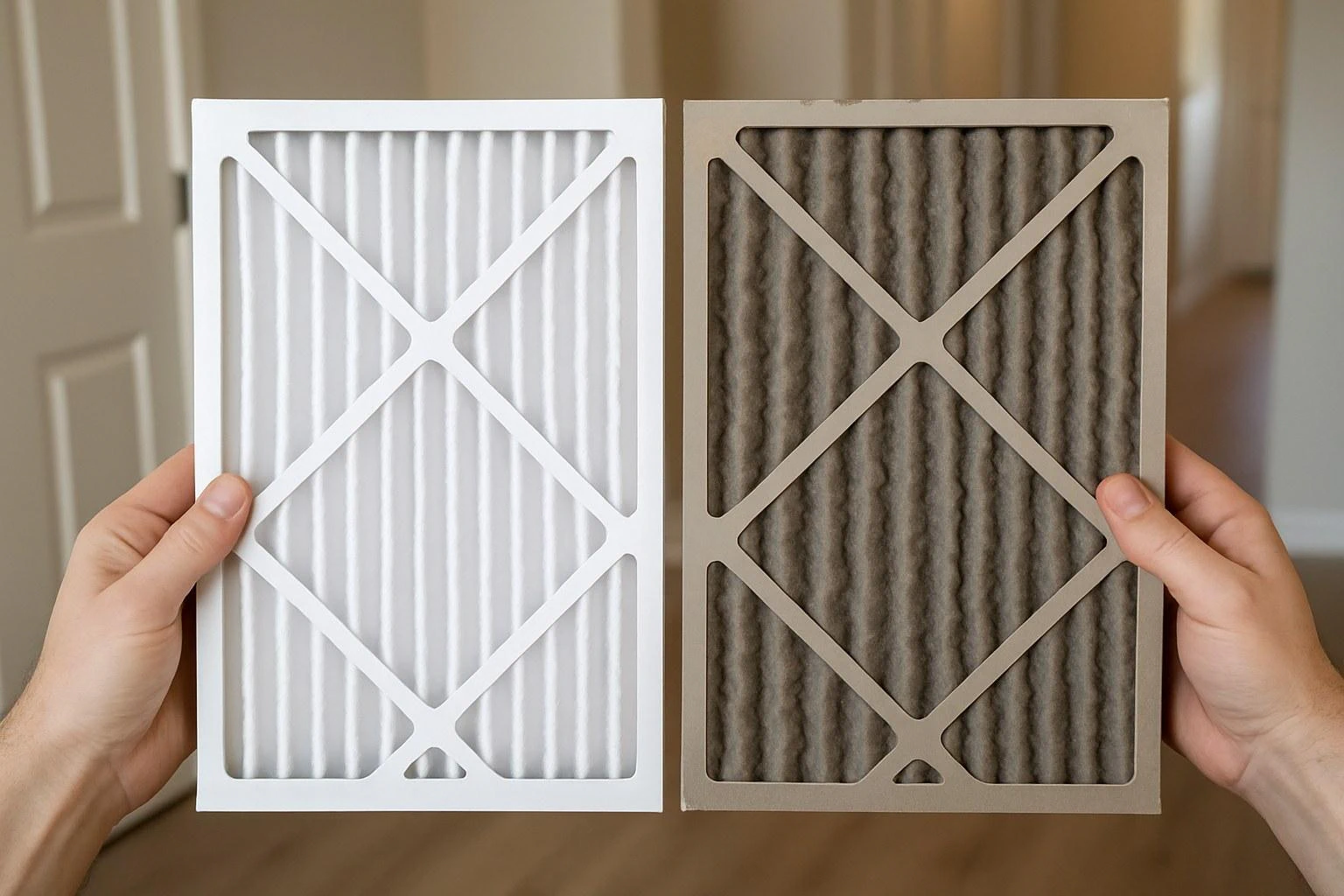
A dirty furnace filter is a common cause of heating performance problems.
The filter captures dust, dirt, and airborne particles before they enter the heating system. Over time, accumulated debris can restrict airflow.
When airflow becomes restricted, some furnaces may overheat and activate a safety control that shuts the system down.
If your furnace is not turning on or keeps shutting down, inspect the filter.
What should you check?
- Look for visible dust and debris covering the filter.
- Check whether the filter appears clogged or heavily discolored.
- Confirm that the filter is installed in the correct direction.
- Check the filter size before purchasing a replacement.
If the filter needs replacing, use the correct size and type recommended by your furnace manufacturer. Follow the owner’s manual for safe filter replacement.
A clean filter can help restore proper airflow, but it will not resolve every furnace startup problem. If the furnace remains unresponsive after replacing the filter, further diagnosis may be necessary.
5. Make Sure Air Vents and Return Grilles Are Not Blocked
Your heating system needs adequate airflow to operate properly.
Blocked supply vents and return-air grilles can interfere with air circulation and contribute to overheating or repeated furnace shutdowns.
Walk through your home and check:
- Furniture placed directly in front of heating vents.
- Rugs or carpets covering floor registers.
- Curtains blocking supply vents.
- Dust and debris covering return-air grilles.
- Closed or obstructed air registers.
Make sure the vents and return grilles are open and unobstructed.
This is a simple check that can improve airflow and help prevent problems associated with restricted circulation.
If the furnace continues shutting down despite adequate airflow, an HVAC technician should investigate the underlying cause.
6. Check Whether the Furnace Stopped Working After a Power Outage
If your furnace stopped working after a power outage, the interruption may have affected its electrical supply or controls.
Start with the basic checks:
- Confirm that electricity has been restored throughout your home.
- Check the thermostat display and settings.
- Inspect the furnace service switch.
- Check the correctly labeled circuit breaker.
- Allow the thermostat and furnace to complete any built-in startup delay.
Some systems may need to resume their normal operating sequence after power is restored.
However, if the furnace remains unresponsive, displays an error code, or repeatedly trips its breaker, avoid further resets and arrange professional inspection.
Do not attempt to open the control board or inspect internal wiring.
7. Understand What Your Furnace Is Telling You
Sometimes a furnace makes sounds even though it does not produce heat. Paying attention to these symptoms can help an HVAC technician identify the problem.
Furnace Makes a Clicking Sound but Does Not Turn On
A clicking sound may come from the thermostat or the furnace’s ignition sequence.
If the furnace repeatedly clicks without starting, possible causes include an ignition problem, control issue, or another internal fault.
Do not attempt to repair the ignition system yourself.
Furnace Hums but Does Not Start
A humming or buzzing noise can indicate an electrical or mechanical problem.
Possible causes include a malfunctioning motor, capacitor, or another internal component.
Because these parts can involve electrical hazards, leave diagnosis and repair to a qualified technician.
Furnace Fan Is Not Turning On With Heat
If the thermostat is calling for heat but the furnace fan does not start, the problem may involve the blower motor, its controls, or another part of the heating system.
First, check the thermostat settings and air filter.
If the fan still does not operate, arrange a professional inspection rather than attempting to access the blower assembly.
Furnace Has Power but Does Not Produce Heat
A furnace may have an active thermostat display and electrical supply but still fail to produce heat.
Possible causes include ignition failure, a gas supply interruption, a safety shutdown, or a faulty internal component.
These problems require proper testing by an HVAC professional.
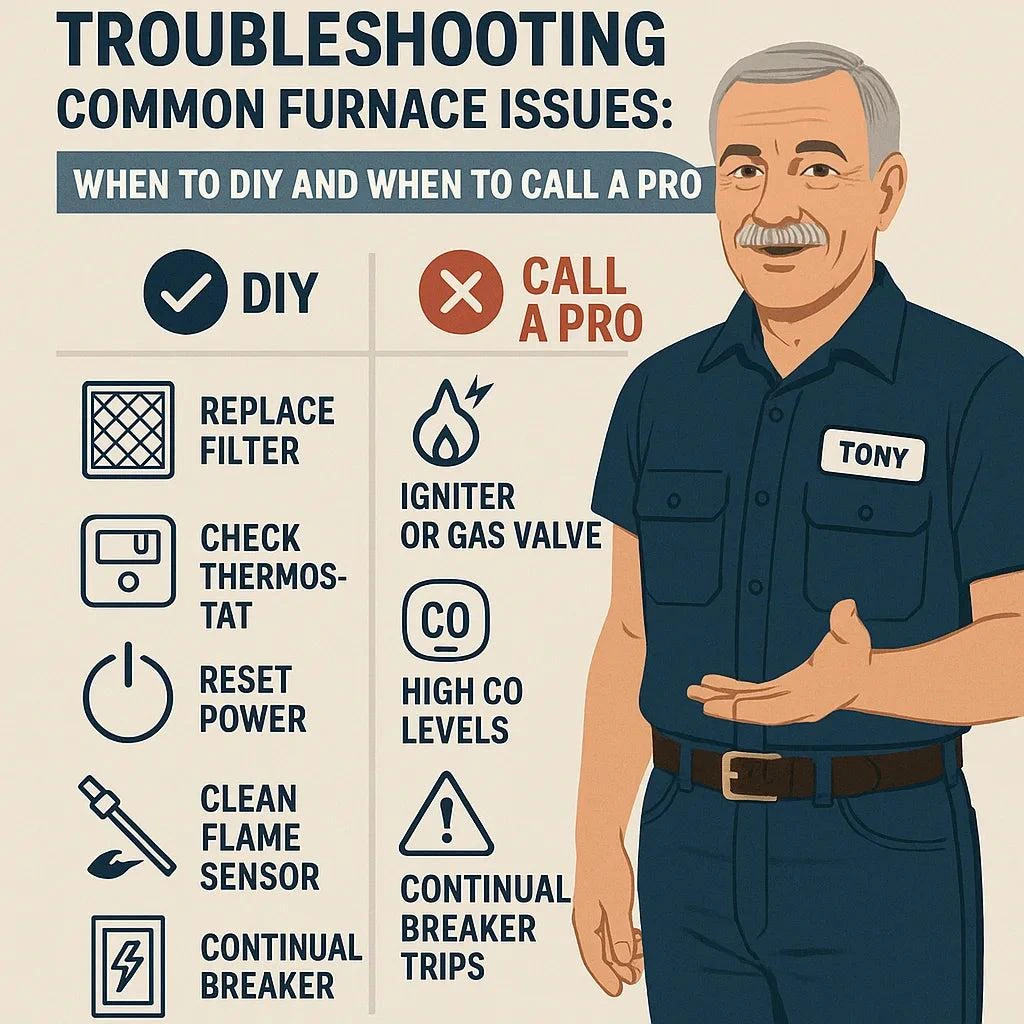
8. Know When to Stop Troubleshooting and Call an HVAC Technician
Basic homeowner checks can help identify simple problems, but some furnace issues require professional attention.
Contact a qualified HVAC technician if:
- The furnace does not start after checking the thermostat, power switch, breaker, and filter.
- The circuit breaker trips repeatedly.
- The furnace repeatedly starts and shuts down.
- You hear unusual banging, grinding, or persistent electrical buzzing.
- The furnace displays a recurring error code.
- The thermostat calls for heat but the furnace does not respond.
- You suspect an ignition, gas supply, blower motor, or control board problem.
Never attempt to repair gas valves, burners, ignition systems, internal electrical connections, or other furnace components without the appropriate training and equipment.
If you smell natural gas or suspect a gas leak, stop troubleshooting immediately.
- Leave the building.
- Do not operate electrical switches, appliances, or other potential ignition sources.
- Do not attempt to relight the furnace.
- Call 911 or your gas utility from a safe location outside.
If a carbon monoxide alarm sounds, move everyone outside to fresh air immediately and call emergency services. Do not reenter until emergency responders say it is safe.
Carbon monoxide is an odorless, colorless gas that can cause serious illness or death. Working carbon monoxide alarms should be installed on every level of the home and outside sleeping areas. Read the U.S. Consumer Product Safety Commission’s carbon monoxide safety guidance for additional information.
9. Why Furnace Problems Are Common During Seasonal Changes
Homeowners sometimes discover that their furnace will not turn on when they first need heating after a period of warm weather.
A system that has remained unused for months may have an overlooked issue, such as an incorrect thermostat setting, an electrical interruption, or a maintenance problem.
Before the heating season begins, consider these preventive steps:
- Test your thermostat before colder weather arrives.
- Inspect the furnace filter and replace it when necessary.
- Keep supply vents and return grilles unobstructed.
- Make sure the furnace’s accessible service switch has not been accidentally turned off.
- Schedule regular professional furnace maintenance.
- Check that carbon monoxide alarms are working.
In Birmingham, Alabama, homeowners should also confirm which type of heating system they have. Some properties use gas or electric furnaces, while others rely on heat pumps. Troubleshooting procedures can differ between these systems.
Regular maintenance can help identify developing problems before they leave your home without heat. For more routine care, see the HVAC maintenance checklist for Birmingham homeowners and the guide explaining how often HVAC should be serviced.
Frequently Asked Questions
Why is my furnace not turning on?
A furnace may fail to turn on because of incorrect thermostat settings, dead thermostat batteries, a tripped circuit breaker, an inactive service switch, restricted airflow, or an internal equipment problem.
Start with the basic homeowner checks. If the furnace remains unresponsive, arrange professional diagnosis.
Can a dirty air filter stop a furnace from turning on?
Yes. A severely clogged filter can restrict airflow and contribute to overheating. Some furnaces respond by activating a safety control that shuts the system down.
Inspect the filter and replace it with the correct type if necessary. If the furnace still does not operate, contact an HVAC technician.
Why is my furnace not turning on with the thermostat?
The thermostat may be set incorrectly, have weak batteries, or have a problem communicating with the furnace.
Confirm that it is set to Heat and that the desired temperature is above the room temperature. If the furnace does not respond, the issue may involve wiring, controls, or an internal furnace component.
Why is my electric furnace not turning on?
An electric furnace may fail to start because of an interrupted power supply, a tripped breaker, incorrect thermostat settings, or an internal electrical or control problem.
Check the thermostat and accessible electrical supply. Do not open the equipment or attempt electrical repairs yourself.
Should I reset my furnace if it will not turn on?
Do not repeatedly reset your furnace. A reset may not resolve the underlying problem, particularly if a safety control has shut down the system.
Follow your owner’s manual for any permitted homeowner reset procedure. If the problem returns, stop and contact an HVAC professional.
Who should I call when my furnace is not working?
Contact a qualified HVAC technician when basic checks do not restore heating or when you suspect an internal mechanical, electrical, ignition, or gas-related problem.
If you suspect a gas leak or carbon monoxide emergency, leave the building and contact emergency services rather than arranging a routine repair appointment.
Conclusion
When your furnace is not turning on, the cause is not always a major equipment failure. Incorrect thermostat settings, a switched-off service switch, a tripped breaker, or a clogged air filter may be responsible.
Start with the simple checks described in this guide, but understand where homeowner troubleshooting should stop. Never attempt to repair internal electrical, gas, or ignition components yourself.
If your furnace still will not start after these checks, arrange an inspection with a qualified HVAC technician in Birmingham, Alabama. Prompt professional diagnosis can help identify the underlying problem and restore reliable heating while keeping your household safe. You can review the website’s heating repair information for Birmingham when considering the next step.